Models that respect the structure of biology.
Biology has structure: codons encode amino acids, proteins fold into binding pockets, data carries the biases of how it was collected. My work builds that structure into machine learning models, so they are more accurate, more efficient and easier to trust.
Language models for mRNA
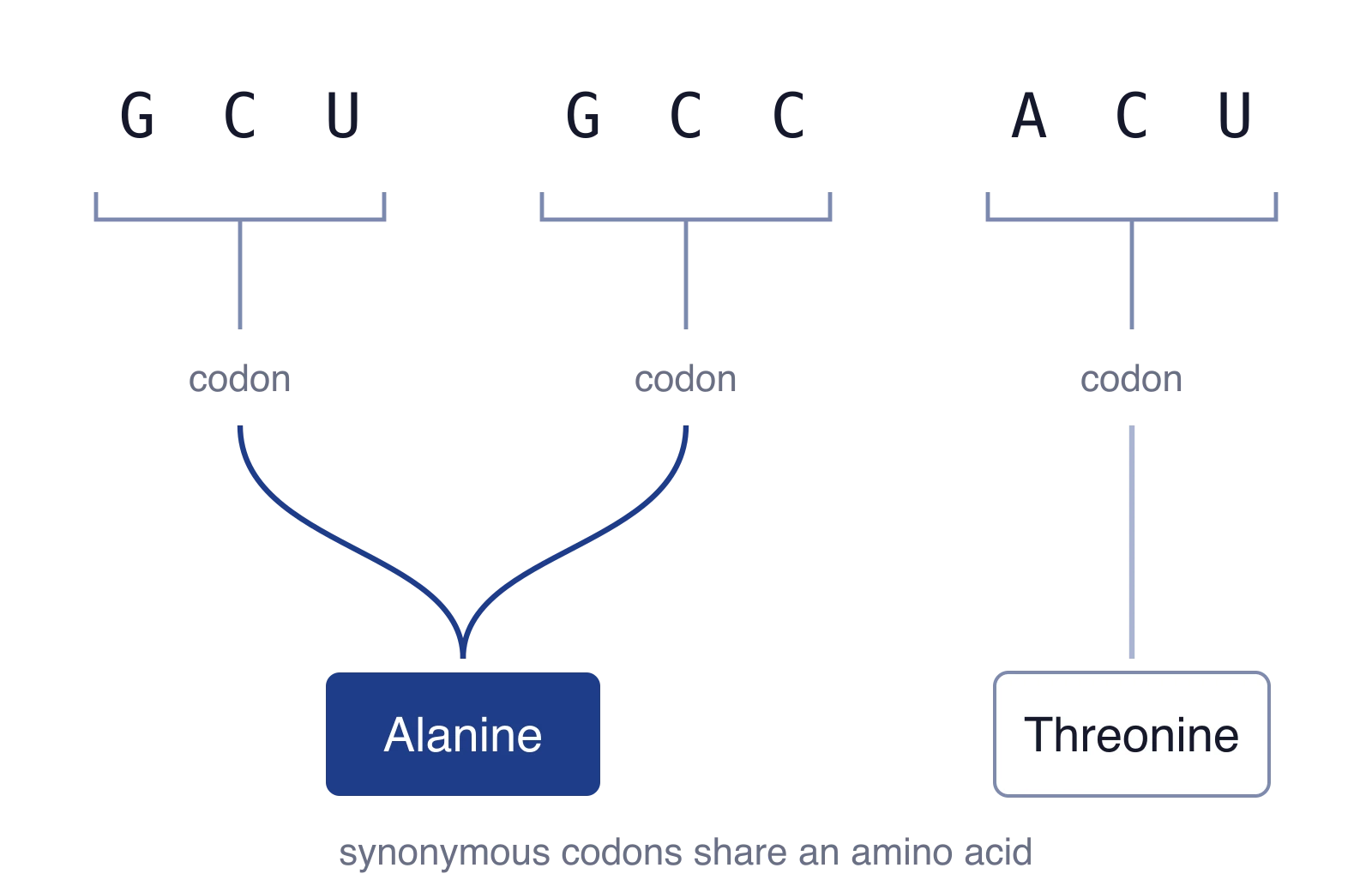
mRNA therapeutics and vaccines depend on sequence design, but most sequence models treat mRNA as flat text. I develop encodings that reflect how mRNA is read: nucleotides form codons, codons map to amino acids, and synonymous codons are interchangeable at the protein level.
HELM introduces a hierarchy-aware training objective; Equi-mRNA makes the encoder equivariant to protein-preserving codon changes.
Result. Up to 8% higher prediction accuracy than standard pre-training, with more diverse and biologically plausible generated sequences (HELM, ICLR 2025).
Drug–target interaction & molecule design
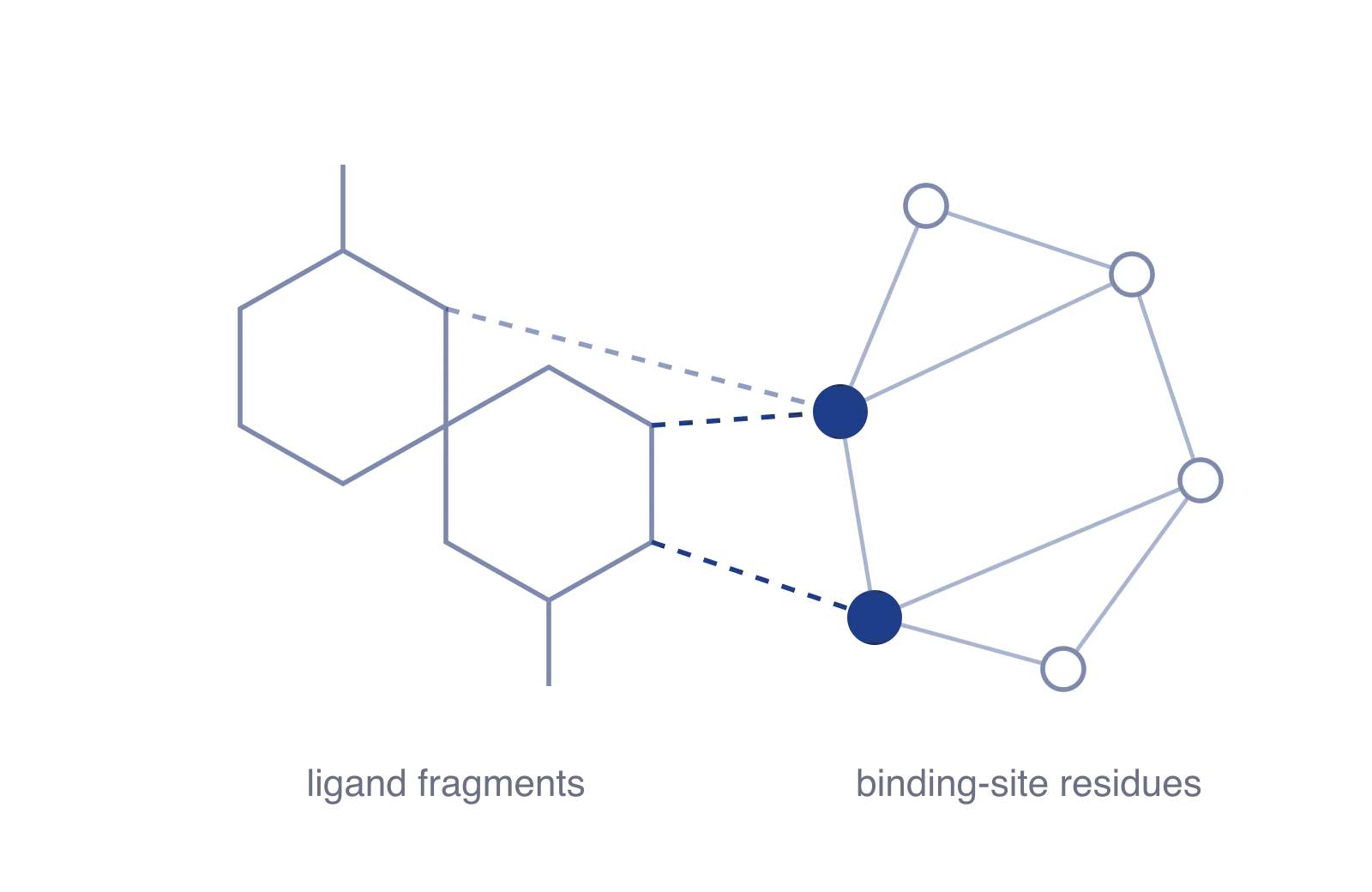
Predicting whether, and how strongly, a molecule binds a protein is a bottleneck in drug discovery. I model proteins through the 3D structure of their binding sites and molecules through their fragments, using attention so predictions point to the residues and substructures responsible. More recently, BoKDiff aligns diffusion models to generate 3D molecules tailored to a specific target.
These architectures are collected in DeepDrugDomain, a Python package for building and benchmarking DTI models.
Trustworthy & agentic ML
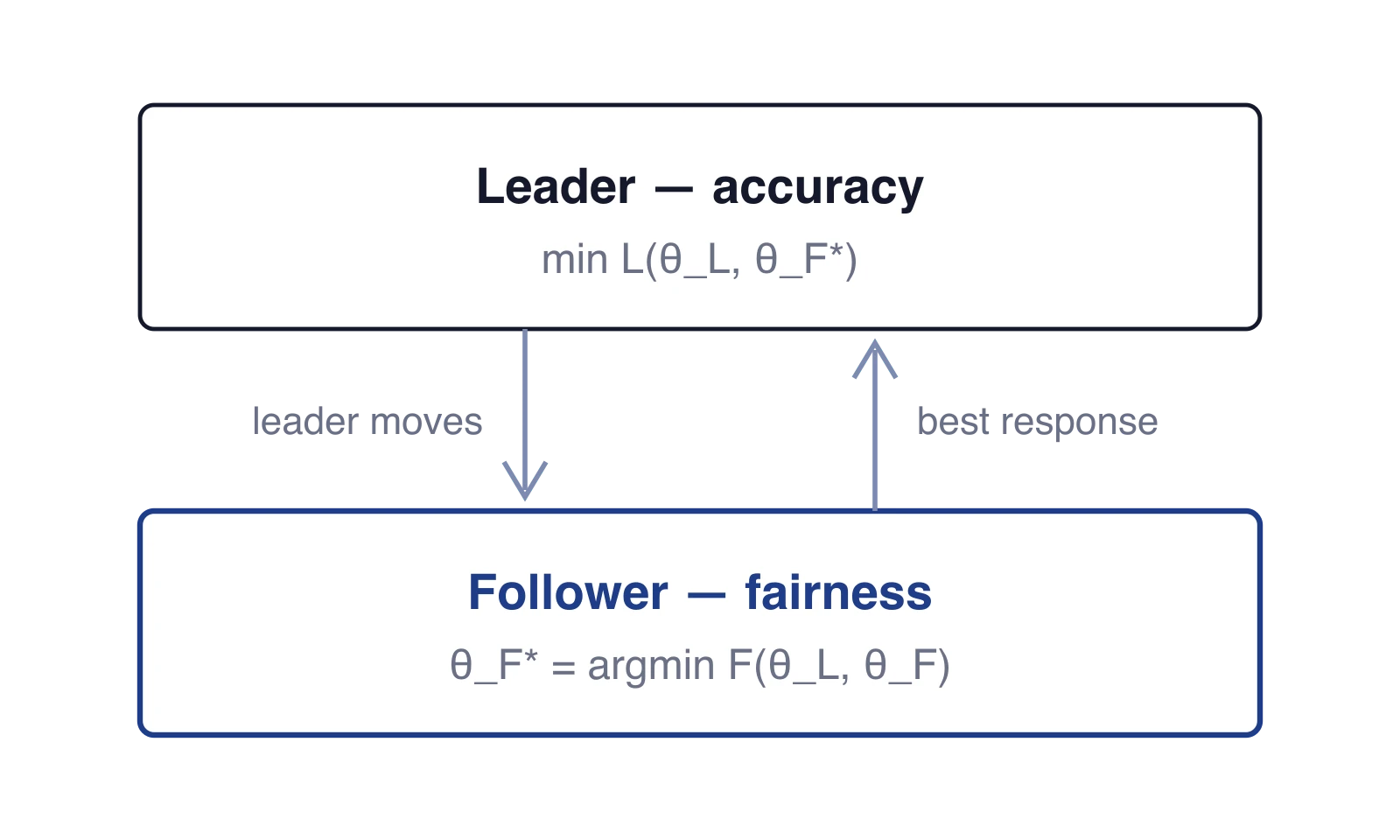
Models trained on real-world data inherit its biases. FairBiNN frames fairness and accuracy as a leader–follower (Stackelberg) game and solves it with bilevel optimization, rather than trading them off through a single weighted loss.
At Microsoft and DeepBio I build agentic systems for biomedical data: planning, tool use, hybrid retrieval with reranking, and answers that cite their sources, along with the benchmarks needed to evaluate them.